


Subheading goes here
Understanding Fear, Phobias and Anxiety
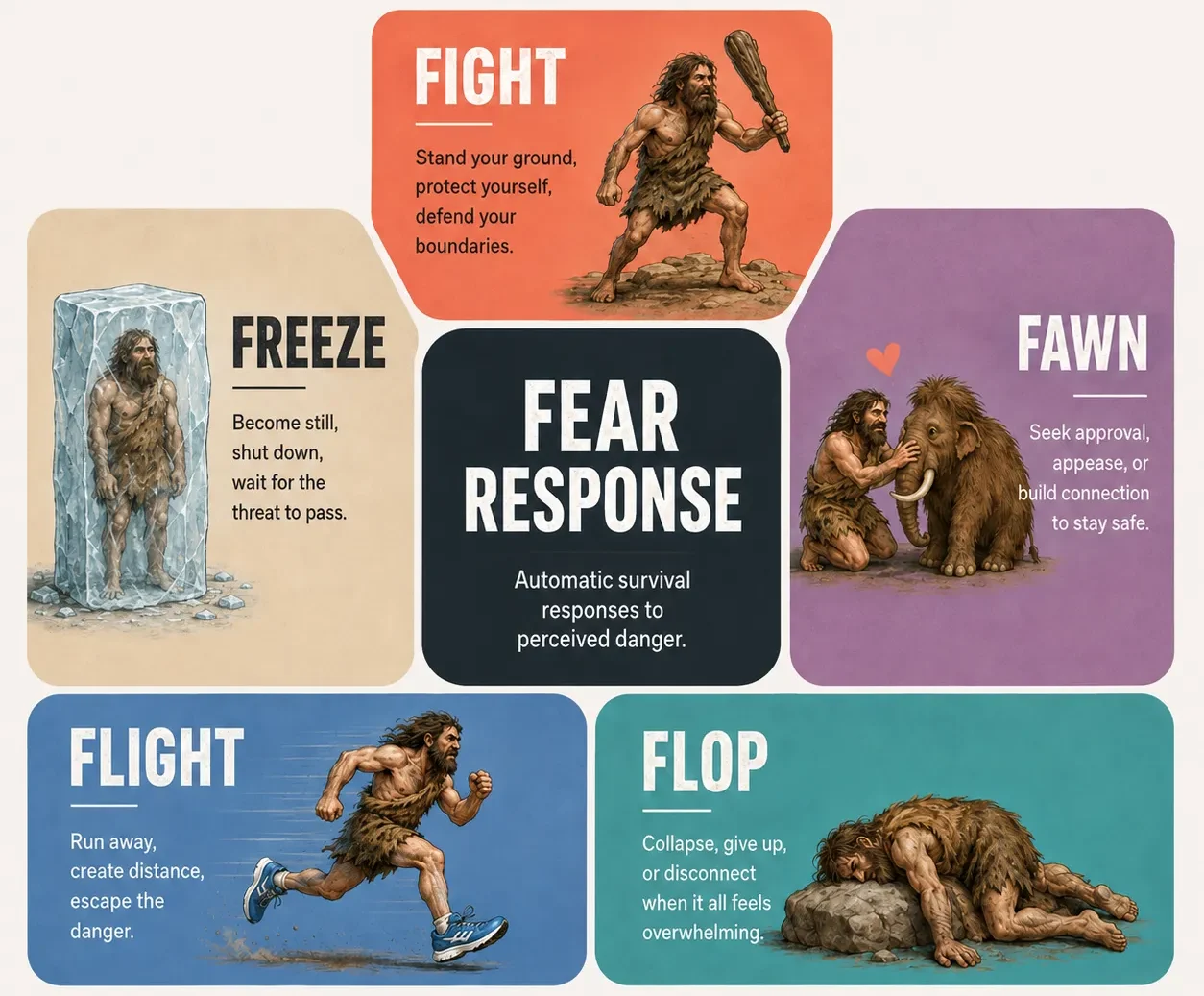
Fear is one of the most powerful and misunderstood human emotions. It can affect every part of your life, from the decisions you make to the situations you avoid and the way you experience everyday events. It can feel intense, unpredictable, and at times difficult to control, particularly when you know the situation itself is not dangerous.
For many people, fear shows up in ways that feel confusing or frustrating. It can appear suddenly, feel overwhelming, and often seems to take control of your body before your logical mind has time to respond. Your heart races, your breathing changes, and your thoughts become focused on escaping or avoiding whatever feels threatening.
In many cases, fear is not the problem in isolation. It is the way the response has developed and continues that creates the difficulty. Once that pattern is in place, it can begin to influence how you think, react, and approach similar situations.
While these reactions can make fear seem irrational or uncontrollable, it follows recognisable psychological and biological patterns. Once those patterns are understood, fear begins to make more sense.
Rapid Fear Transformation
Many people assume that overcoming fear requires a long period of therapy or repeated exposure to the situation they are trying to avoid. As a result, they either delay addressing it or find ways to work spend years avoiding it rather than changing it.
Change does not need to be slow or depend on repeated exposure. It can happen quickly and painlessly by working directly with what is driving the response.
When the root cause of the fear is identified and addressed, the response itself changes. This is the focus of my Integrated Change System, which works directly with what maintains the fear by focusing on changing the response itself rather than simply managing the symptoms.
For many people, this is the point where situations that once felt overwhelming suddenly become calm, manageable, and even enjoyable.

Non-Exposure Phobia Work
One of the most common concerns people have when dealing with fear or phobias is the idea that they will have to face the situation directly in order to overcome it.
While exposure-based approaches are widely used, repeatedly forcing yourself to face a fear while the emotional response is still highly activated can become exhausting, overwhelming, and in some cases can even reinforce the fear rather than reduce it.
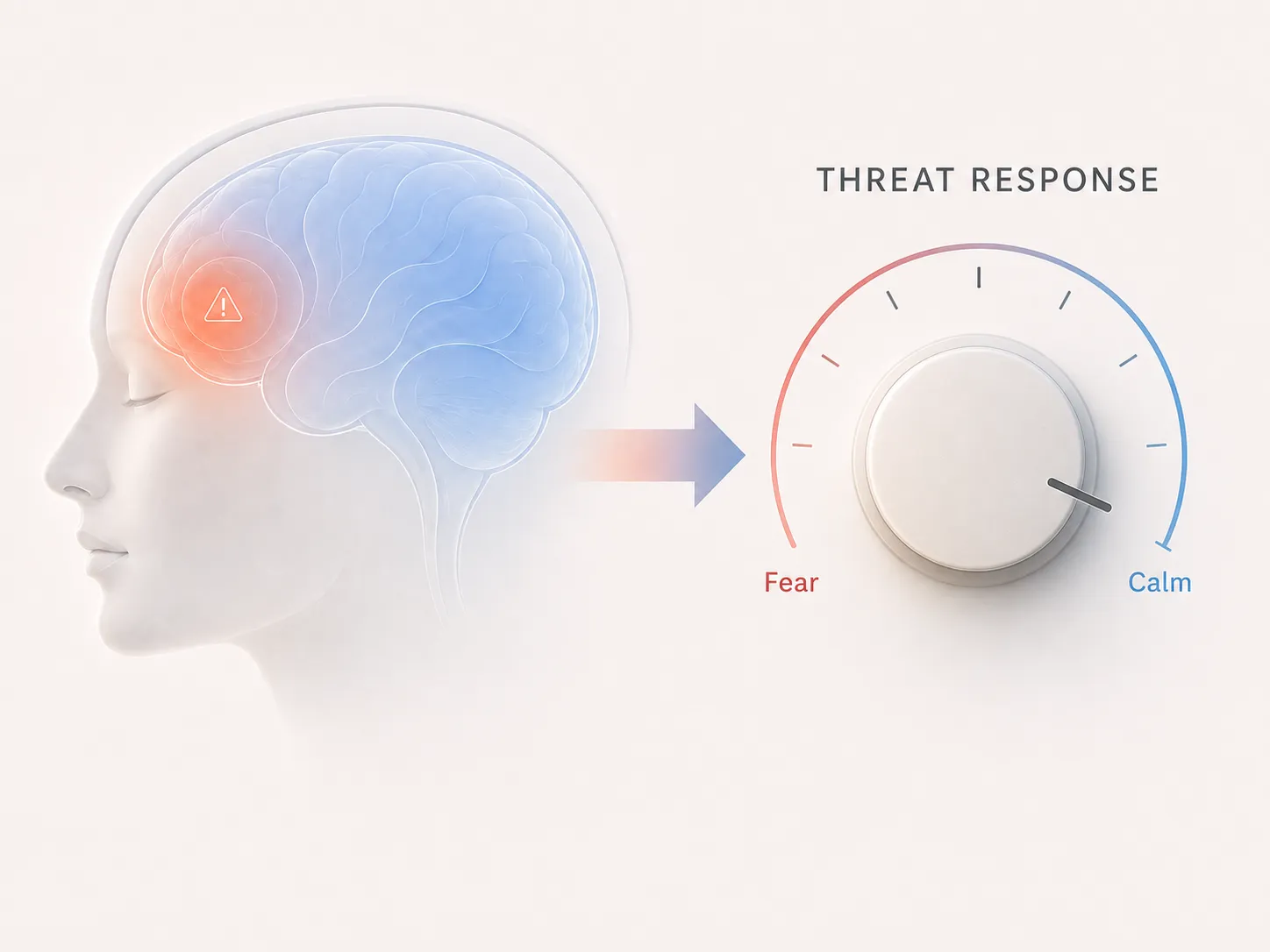
It is possible to work on your fear or phobia without needing to repeatedly relive distressing experiences or force yourself into situations that feel unmanageable. My approach focuses first on reducing the emotional charge connected to the fear and changing the response itself before you ever need to challenge the situation directly.
Once the emotional response from the past begins to settle, situations that once felt overwhelming often become far easier to approach naturally, calmly, and without the same sense of dread or internal struggle.
Root Cause Fear Mapping
One of the biggest steps often missing when treating fears, phobias, and anxiety is identifying the true root cause of the response. Every fear has a history, even when it is not immediately obvious.
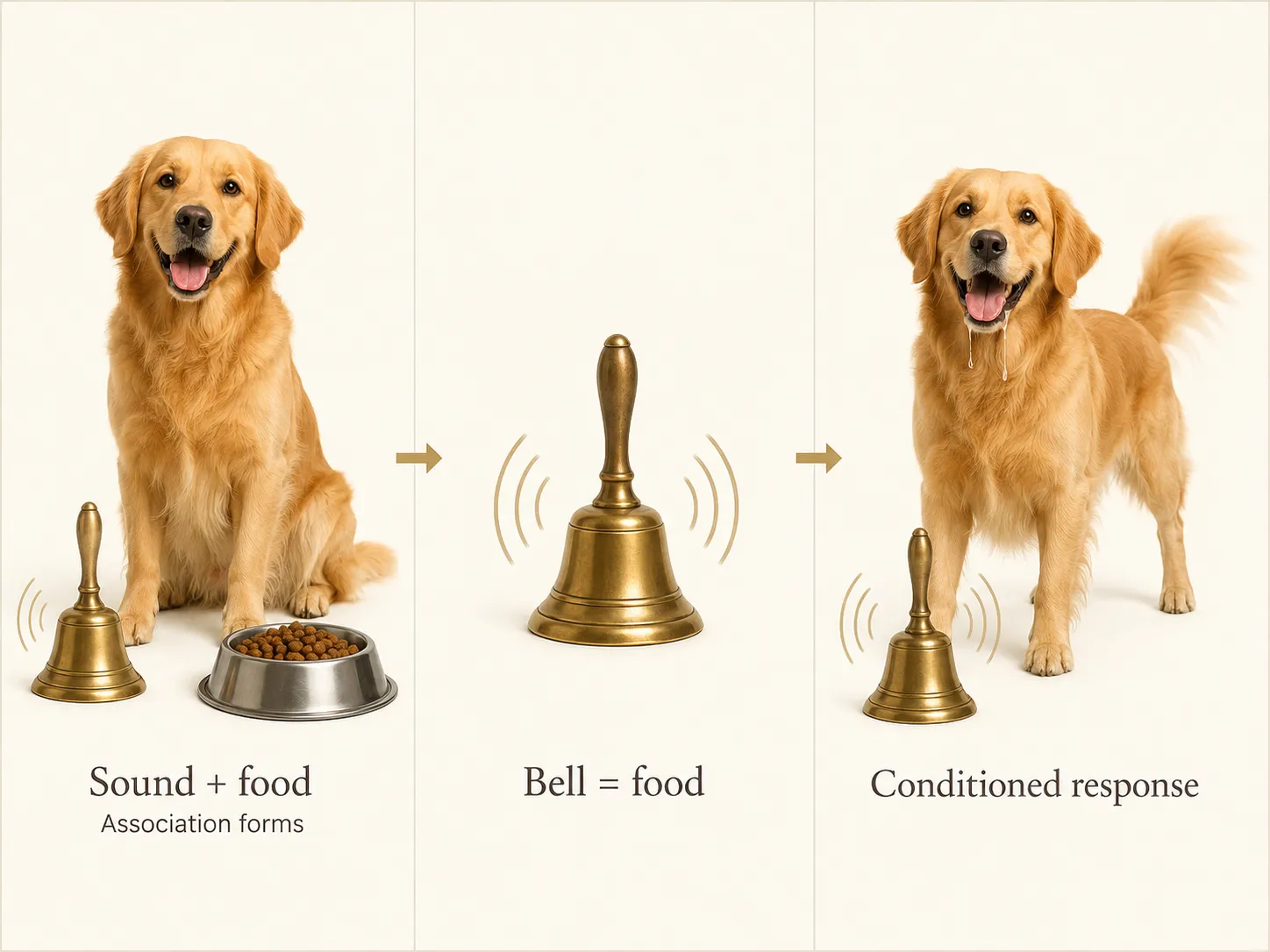
This process is known as conditioning and was famously demonstrated by Ivan Pavlov
through his experiments with dogs. He would repeatedly make a sound, such as ringing a bell, before giving the dogs food. Over time, the sound alone was enough to make them salivate, even when no food was present. The bell had become linked with being fed and began triggering the response automatically.
Human beings form associations in much the same way. A piece of music can bring back the feeling of falling in love or the pain of a breakup. A particular smell, taste, sound or place can return you to an earlier experience almost instantly.
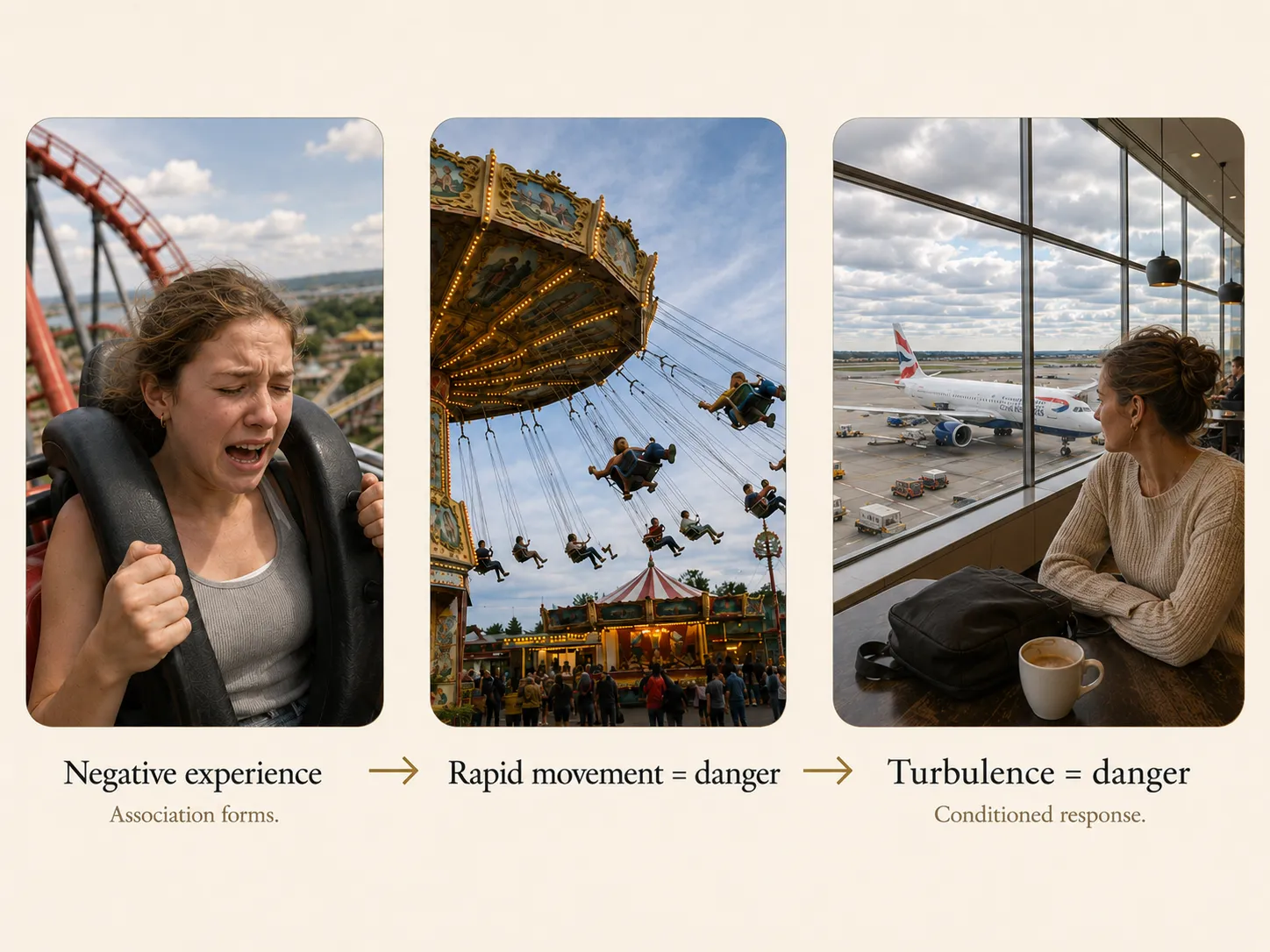
With a phobia, a similar association has formed between a particular object or situation and fear. This might be flying, public speaking, an animal, a medical procedure or a particular environment. Later, simply seeing it, imagining it or thinking about it can activate the old conditioned response, even when there is no genuine danger in the present.
Sometimes this association begins with one powerful experience. In other cases, it develops gradually or becomes reinforced through repeated experiences. The original event may not always be consciously remembered, but the emotional response can still continue influencing how you react today.
By identifying and working directly with those deeper emotional patterns, it becomes possible to identify what continues to trigger the fear today and begin changing the response without needing to repeatedly relive painful experiences. This includes situations, associations, and learned emotional responses that shape how your mind and body respond.
You do not have to spend weeks endlessly talking through your past in order to change. Instead, the focus is on identifying the root cause of the fear and changing the emotional response connected to it. Once that becomes clear, it becomes much easier to understand what continues to trigger the response and where the change needs to happen.
Identity-Level Fear Change
When fear has been present for a long time, it can begin to feel like part of your identity.
You may begin to see yourself through the lens of the fear, avoiding certain situations and expecting the same reaction each time. That expectation reinforces how you think and how you respond, and can begin to shape how you approach new situations, often narrowing what feels possible.
What often gets overlooked is that however real, painful, or limiting the fear may feel, it is still a learned emotional pattern rather than who you are. The fear may feel familiar and predictable, but familiarity is not the same as permanence. It often reflects how long the pattern has been repeated and reinforced.
When that becomes clear, the focus changes. Instead of simply trying to manage or avoid the fear, the focus becomes identifying and changing the emotional responses, beliefs, and patterns that continue to drive it, allowing you to begin stepping out of the cycle of fear, avoidance, and anticipation that has been reinforcing the problem over time.
As those patterns begin to change, situations that once felt overwhelming often begin to feel very different. When that changes, the situation changes with it.
You are no longer simply managing or avoiding the fear, but beginning to address and change it directly.
Emotional Safety and Recalibration
For change to take place, your nervous system needs to feel safe enough to let go of the unnecessary fear.
When fear has been present for a long time, your mind and body are not simply reacting to situations, they are anticipating them, staying on alert, and preparing for something to go wrong.
Over time, the fear can begin to feel protective, even when it is limiting or irrational, because the mind starts treating the response as though it is helping to keep you safe.
After a while, everything can begin to get filtered through the same sense of anticipation and threat. It becomes harder to recognise when a situation is actually safe, because the mind and body are already preparing for something to go wrong.
When people have tried things in the past and felt better for a while, but the fear later returned, it is often because the deeper emotional need for safety was never fully addressed. Without that shift, the mind and body can continue slipping back into the same protective patterns.
Gripping the seat on a plane does not keep the plane in the air, and constantly worrying about someone does not actually protect them. Emotionally, though, those responses can still feel necessary.
In the same way, the body can begin treating the fear like a shield, preparing for danger and becoming hypervigilant even when the danger is no longer there.
Ironically, the very thing the mind is trying to use for safety can often become the thing that keeps the fear going. Worrying about messing up during public speaking often increases the pressure, self-consciousness, and anxiety, becoming part of the very thing making the situation harder.
How safe do you usually feel when you are anxious, overwhelmed, stressed, or constantly on alert? Usually not very safe at all. Intellectually, many people already know this, but emotionally the conditioned response can still continue automatically. This is because emotions are not logical and simply understanding Logically a emotion does not necessarily change it.
Once the subconscious mind no longer feels the same need to stay protected, the hypervigilance begins to settle. The body stops reacting to its own fear response as though the response itself is the danger, allowing new responses to begin replacing the old fear pattern naturally.

The Integrated Change System
This is where the Integrated Change System, or ICS, comes in.
You may have spent years analysing your fear, avoiding certain situations or forcing yourself through them, only to find that the emotional response underneath is still there.
I developed ICS to work with the underlying patterns that keep that response in place. Drawing on psychotherapy, hypnotherapy, emotional processing, behavioural change and a range of other therapeutic approaches, ICS brings different methods together into one structured approach designed to help change limiting fears, phobias and anxiety.
Watch the short video below for an introduction to the Integrated Change System.
Taking the Next Step
Understanding fear is often the first step toward overcoming it.
If you’re ready to talk and would like to discuss your situation directly, you can book a clarity call with me.